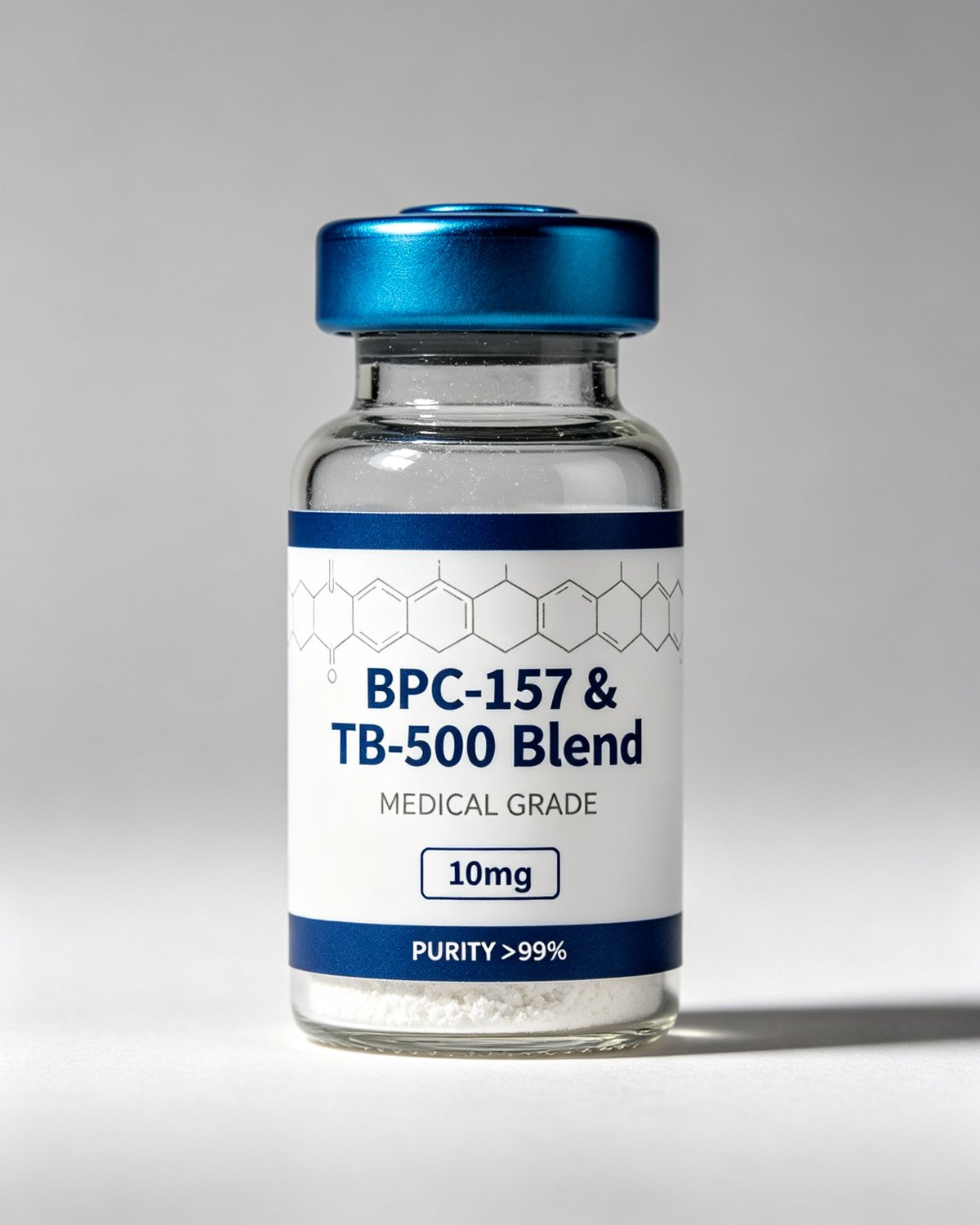
Cagrilintide & Semaglutide Blend (10mg) is a pre-weighed blend of Cagrilintide 5mg and Semaglutide 5mg for laboratory research, HPLC-MS verified above 99% purity.
Wholesale pricing —minimum 1 box (10 vials)
Size
Per Box (10 vials)
10mg
$48.40
Sold by the box —1 box = 10 vials. Per-vial reference price shown for comparison only.
Blend Cagrilintide + Semaglutide (10mg): A Dual GLP-1/Amylin Receptor Agonist Synergistic Peptide Combination for Weight Loss, Appetite Regulation, Glycemic Control, Metabolic Health, and Body Composition — Combining the Long-Acting Amylin Analog Cagrilintide with the GLP-1 Receptor Agonist Semaglutide for Complementary Weight-Loss Mechanisms
The Cagrilintide + Semaglutide blend (10mg total per vial) is a cutting-edge dual-action peptide combination that brings together two of the most promising weight-loss and metabolic peptides: Cagrilintide (a long-acting amylin receptor agonist analog, a synthetic derivative of the naturally occurring pancreatic hormone amylin/islet amyloid polypeptide [IAPP]) and Semaglutide (a long-acting glucagon-like peptide-1 [GLP-1] receptor agonist, one of the most well-known and extensively researched weight-loss and anti-diabetes peptides). This 10mg blend vial typically contains a ratio of the two peptides (commonly ~5mg Cagrilintide + ~5mg Semaglutide, or other proportions — users should verify the exact ratio from their supplier's Certificate of Analysis). The rationale for combining cagrilintide and semaglutide is based on the landmark Phase 2 clinical trial published in The Lancet (2022), which demonstrated that the combination of cagrilintide + semaglutide produced significantly greater weight loss than either peptide alone — in that trial, participants receiving the highest dose combination (cagrilintide 2.4mg + semaglutide 2.4mg weekly) achieved an average weight loss of 17.1% (17.7 kg) over 20 weeks, compared to 15.4% for semaglutide alone and 7.8% for cagrilintide alone. This combination is the scientific basis for the investigational weight-loss drug CagriSema (Novo Nordisk), which is currently in Phase 3 clinical trials. The two peptides work through complementary and synergistic mechanisms: cagrilintide (amylin receptor agonist) primarily acts on the area postrema and nucleus tractus solitarius in the brainstem to reduce appetite, increase satiety, slow gastric emptying, and reduce caloric intake (particularly by suppressing the drive to eat and reducing meal size); semaglutide (GLP-1 receptor agonist) primarily acts on the hypothalamus (arcuate nucleus, ventromedial nucleus) and brainstem to reduce appetite, increase satiety, slow gastric emptying, reduce caloric intake, and improve glycemic control (stimulating insulin secretion, suppressing glucagon). Together, they target two distinct but complementary appetite-regulation pathways in the brain, producing greater weight loss than either alone. The research-grade Cagrilintide + Semaglutide blend supplied by Amideworks is intended for laboratory and investigational use only, not for human consumption or therapeutic use[1][2][3][4][5][6][7][8][9][10].
Cagrilintide vs Semaglutide: A Detailed Comparison of the Two Peptides in the Blend
Comparison Dimension
Cagrilintide (Amylin Receptor Agonist)
Semaglutide (GLP-1 Receptor Agonist)
Peptide Class
Long-acting amylin receptor agonist (amylin analog / IAPP derivative); synthetic derivative of human amylin (islet amyloid polypeptide)
Long-acting GLP-1 (glucagon-like peptide-1) receptor agonist; synthetic analog of human GLP-1(7-37)
Natural Hormone Origin
Amylin (IAPP) — co-secreted with insulin from pancreatic beta cells in response to food intake; discovered 1987
GLP-1 — secreted from intestinal L-cells (ileum/colon) in response to nutrient ingestion (incretin hormone); discovered 1980s
GLP-1 receptor (GLP-1R) — a G-protein coupled receptor (GPCR) expressed in pancreas, brain (hypothalamus, brainstem), heart, GI tract, vasculature
Primary Brain Target
Area postrema (AP) and nucleus tractus solitarius (NTS) in the brainstem (hindbrain); also hypothalamic nuclei; amylin receptors highly expressed in area postrema
Hypothalamus (arcuate nucleus [ARC], ventromedial nucleus [VMN], paraventricular nucleus [PVN]) and brainstem (NTS, AP); GLP-1 receptors expressed throughout the brain
Appetite Mechanism
Reduces the drive to eat (hedonic/liking component); suppresses meal initiation; reduces meal size; increases satiety signals from the gut; modulates reward pathways (dopamine); particularly effective at reducing "wanting" of food
Slows gastric emptying (moderate effect); reduces postprandial glucose excursions by delaying nutrient delivery to the small intestine
Slows gastric emptying (strong effect — one of GLP-1's key mechanisms); significantly delays gastric emptying, prolonging satiety and reducing postprandial glucose spikes
Glycemic Control
Moderate glycemic effects; reduces postprandial glucose via slowed gastric emptying and glucagon suppression; does NOT stimulate insulin secretion directly (unlike GLP-1); may improve insulin sensitivity
Strong glycemic effects (primary indication: type 2 diabetes); glucose-dependent insulin secretion (stimulates insulin only when glucose is high — low hypoglycemia risk); suppresses glucagon secretion; slows gastric emptying; improves beta-cell function; reduces HbA1c significantly
Weight Loss (Monotherapy, Clinical)
~6-8% body weight loss at highest doses (Phase 2: 7.8% at 2.4mg weekly over 20 weeks); modest but meaningful weight loss; less than semaglutide monotherapy
~12-17% body weight loss at highest doses (STEP trials: 14.9% at 2.4mg weekly over 68 weeks; Phase 2 blend trial: 15.4% at 2.4mg over 20 weeks); one of the most effective weight-loss monotherapies
Combination Weight Loss (Clinical)
Cagrilintide 2.4mg + Semaglutide 2.4mg weekly: 17.1% (17.7 kg) weight loss over 20 weeks (Phase 2, Lancet 2022) — significantly greater than semaglutide alone (15.4%) or cagrilintide alone (7.8%); the combination provides additive/synergistic weight loss by targeting two distinct appetite pathways (amylin + GLP-1)
Insulin Secretion
Does NOT directly stimulate insulin secretion (amylin does not have insulinotropic effects); works primarily through appetite/gastric emptying/glucagon suppression
Directly stimulates glucose-dependent insulin secretion from pancreatic beta cells (incretin effect); this is a key mechanism for its anti-diabetes effects
Glucagon Suppression
Suppresses glucagon secretion (amylin inhibits glucagon release from alpha cells); contributes to glycemic control
Suppresses glucagon secretion (GLP-1 inhibits glucagon release from alpha cells, glucose-dependent); contributes to glycemic control
Half-Life / Duration
Long-acting (modified amylin analog with extended half-life); ~weekly dosing in clinical trials (cagrilintide has a half-life of ~1-2 weeks, allowing once-weekly administration)
Long-acting (fatty acid side chain modification for albumin binding, DPP-4 resistance); half-life ~7 days (165 hours); once-weekly dosing (standard for Ozempic/Wegovy)
Common Side Effects
Nausea, vomiting, decreased appetite, constipation, fatigue, injection site reactions; generally well-tolerated; GI side effects less than semaglutide in some reports
Nausea, vomiting, diarrhea, constipation, abdominal pain, decreased appetite, fatigue, headache, injection site reactions; GI side effects are the most common (nausea in ~44% of users); usually transient, worse at dose initiation/escalation
Serious Risks
Hypoglycemia (when combined with insulin/sulfonylureas), pancreatitis (theoretical — amylin/calcitonin receptor), gallbladder disease (with rapid weight loss), injection site reactions; contraindicated in medullary thyroid carcinoma (MTC) history / MEN2 (theoretical, based on calcitonin receptor binding)
Pancreatitis (black box warning concern), gallbladder disease/gallstones (with rapid weight loss), hypoglycemia (when combined with insulin/sulfonylureas), diabetic retinopathy complications (rapid glycemic improvement), kidney injury (from dehydration due to GI side effects), suicidal thoughts (monitor), thyroid C-cell tumors (in rodents — black box warning; contraindicated in MTC history / MEN2)
Approved Status
Investigational (not approved as standalone); in Phase 3 trials as CagriSema (combination with semaglutide); amylin analog pramlintide (Symlin) is approved for diabetes (short-acting, mealtime dosing)
Approved: Ozempic (type 2 diabetes, 2017), Rybelsus (oral semaglutide, type 2 diabetes, 2019), Wegovy (weight management, 2021); one of the most prescribed GLP-1 agonists globally
Key Strengths
Targets hedonic appetite ("wanting" food), reduces meal initiation, complementary to GLP-1, long-acting weekly dosing, may reduce alcohol/craving behaviors, good tolerability
Strong weight loss (12-17%), excellent glycemic control (HbA1c reduction ~1.5-1.8%), cardiovascular benefits (reduced MACE in type 2 diabetes), long-acting weekly dosing, extensive clinical data (40+ Phase 3 trials), well-understood safety profile
Key Limitations
Less weight loss as monotherapy (~6-8%), limited long-term clinical data (newer compound), not approved as standalone, theoretical calcitonin receptor/MTC concerns, less glycemic effect than GLP-1
Significant GI side effects (nausea ~44%), muscle loss with rapid weight loss (up to 40% of weight loss can be lean mass), gallstones, pancreatitis risk, high cost (brand), weight regain after stopping, requires gradual dose escalation
Muscle Preservation
May have better muscle preservation than GLP-1 alone (amylin may reduce muscle breakdown; combination with GLP-1 may improve body composition — more fat loss, less lean mass loss); emerging data
Significant lean mass loss with rapid weight loss (up to 40% of weight lost can be lean muscle); this is a major limitation; requires resistance training + adequate protein to mitigate
Body Composition (Combination)
Emerging data suggests CagriSema may improve body composition vs semaglutide alone — potentially greater fat mass reduction and better lean mass preservation (more favorable fat:lean ratio); this is an active area of research and could address a major limitation of GLP-1 monotherapy (muscle loss)
As shown in the detailed comparison table above, cagrilintide and semaglutide are complementary peptides that target two distinct but synergistic appetite-regulation pathways. Cagrilintide (amylin receptor agonist) primarily targets the area postrema and nucleus tractus solitarius in the brainstem, reducing the hedonic drive to eat ("wanting" food), suppressing meal initiation, reducing meal size, and modulating reward pathways. Semaglutide (GLP-1 receptor agonist) primarily targets the hypothalamus (arcuate nucleus, ventromedial nucleus) and brainstem, reducing homeostatic appetite, increasing satiety ("fullness"), slowing gastric emptying, and providing strong glycemic control (glucose-dependent insulin secretion, glucagon suppression). The combination targets both the "wanting" (cagrilintide) and "fullness" (semaglutide) components of appetite regulation, producing additive/synergistic weight loss. The landmark Phase 2 trial (Lancet 2022) demonstrated that the highest-dose combination (cagrilintide 2.4mg + semaglutide 2.4mg weekly) produced 17.1% weight loss over 20 weeks, significantly greater than semaglutide alone (15.4%) or cagrilintide alone (7.8%). Importantly, emerging data also suggests that the combination may improve body composition — potentially producing greater fat loss with better lean muscle preservation compared to semaglutide alone (which can cause up to 40% lean mass loss with rapid weight loss). This could address one of the major limitations of GLP-1 monotherapy. The blend is the research-grade version of the investigational CagriSema combination (Novo Nordisk, currently in Phase 3 trials)[1][2][3][4][5][6][7][8][9][10].
How the Cagrilintide + Semaglutide Blend Works: Mechanism of Action
The Cagrilintide + Semaglutide blend achieves its weight-loss and metabolic effects through a multi-layered mechanism that combines the distinct actions of both peptides:
1. Dual Appetite Pathway Targeting (The Core Synergy): The most important mechanism is the simultaneous targeting of two distinct but complementary appetite-regulation pathways in the brain. (a) Cagrilintide (amylin pathway) — Cagrilintide is a long-acting amylin receptor agonist that binds to amylin receptors (AMY1/AMY2/AMY3 — heterodimers of calcitonin receptor + RAMP1/2/3) in the area postrema (AP) and nucleus tractus solitarius (NTS) of the brainstem. The area postrema is a circumventricular organ with a weakened blood-brain barrier, allowing circulating peptides like amylin to access it directly. Amylin receptor activation in the AP/NTS: (i) reduces the hedonic drive to eat ("wanting" or "liking" food) — this is distinct from GLP-1's homeostatic satiety effect; amylin reduces the reward value of food, particularly for palatable/high-calorie foods; (ii) suppresses meal initiation — amylin reduces the frequency of eating episodes by delaying the onset of hunger between meals; (iii) reduces meal size — amylin increases the satiety signal that terminates a meal, reducing how much is eaten per sitting; (iv) modulates reward pathways — amylin affects dopamine signaling in the mesolimbic reward pathway (ventral tegmental area [VTA] → nucleus accumbens [NAc]), reducing the reinforcing value of food and potentially reducing cravings for alcohol, drugs, and highly palatable foods; (v) activates pro-opiomelanocortin (POMC) neurons in the hypothalamus (indirectly, via brainstem projections), which produce α-MSH (appetite-suppressing melanocortin). (b) Semaglutide (GLP-1 pathway) — Semaglutide is a long-acting GLP-1 receptor agonist that binds to GLP-1 receptors (GLP-1R, a GPCR) in the hypothalamus (arcuate nucleus [ARC], ventromedial nucleus [VMN], paraventricular nucleus [PVN]) and brainstem (NTS, AP). GLP-1 receptor activation: (i) activates POMC/CART neurons in the arcuate nucleus (producing α-MSH, which activates MC4R melanocortin receptors → appetite suppression); (ii) inhibits NPY/AgRP neurons in the arcuate nucleus (NPY and AgRP are potent appetite stimulants; inhibiting them reduces hunger); (iii) increases homeostatic satiety ("fullness") — GLP-1 enhances the feeling of being full after a meal, reducing the drive to continue eating; (iv) reduces hunger hormone ghrelin — GLP-1 may suppress ghrelin secretion (the "hunger hormone" that stimulates appetite); (v) modulates reward pathways — GLP-1 also affects mesolimbic dopamine signaling, reducing food reward, though this is generally less pronounced than amylin's effect on "wanting." (c) Synergy — By targeting both the brainstem amylin pathway (cagrilintide: "wanting"/hedonic drive, meal initiation, reward) and the hypothalamic GLP-1 pathway (semaglutide: "fullness"/homeostatic satiety, hunger suppression), the combination produces additive or synergistic appetite reduction. This is analogous to hitting both the "gas pedal" (hunger/wanting) and the "brake pedal" (satiety/fullness) of appetite regulation simultaneously, producing greater weight loss than either pathway alone. The Phase 2 trial confirmed this: 17.1% combination vs 15.4% semaglutide vs 7.8% cagrilintide[1][2][3][5][6][8].
2. Gastric Emptying and Nutrient Delivery: Both peptides slow gastric emptying, though semaglutide has a stronger effect. (a) Semaglutide — GLP-1 is one of the most potent known inhibitors of gastric emptying. By delaying the rate at which food leaves the stomach and enters the small intestine, GLP-1: (i) prolongs post-meal fullness (distension of the stomach continues to send satiety signals); (ii) reduces postprandial glucose spikes (slower carbohydrate delivery → slower glucose absorption); (iii) reduces overall caloric intake (people feel full longer, eat less frequently). This is one of GLP-1's key weight-loss mechanisms. (b) Cagrilintide — Amylin also slows gastric emptying, though generally to a lesser degree than GLP-1. Amylin's gastric emptying effect contributes to: (i) reduced postprandial glucose excursions; (ii) prolonged satiety. (c) Combination — The combination may produce additive gastric emptying effects, though there is a theoretical ceiling (gastric emptying can only be slowed so much before causing significant GI side effects like nausea/bloating). The combination's gastric emptying effects contribute to both weight loss (prolonged satiety) and glycemic control (reduced postprandial glucose)[2][4][7][9].
3. Glycemic Control and Metabolic Health: Semaglutide provides strong glycemic control, while cagrilintide provides moderate glycemic effects. (a) Semaglutide — GLP-1's anti-diabetes effects: (i) glucose-dependent insulin secretion — GLP-1 stimulates insulin release from pancreatic beta cells ONLY when blood glucose is elevated (this "glucose-dependent" mechanism means low risk of hypoglycemia when used alone); (ii) glucagon suppression — GLP-1 inhibits glucagon secretion from pancreatic alpha cells (glucagon raises blood glucose by stimulating liver glucose output; suppressing it reduces hyperglycemia); (iii) beta-cell protection — GLP-1 may improve beta-cell function and survival (anti-apoptotic effects on beta cells), potentially slowing disease progression in type 2 diabetes; (iv) gastric emptying — as described above, slows nutrient delivery, reducing postprandial glucose. Semaglutide reduces HbA1c by ~1.5-1.8% in type 2 diabetes. (b) Cagrilintide — Amylin's glycemic effects: (i) glucagon suppression — amylin inhibits glucagon secretion (particularly postprandial glucagon, which is inappropriately elevated in diabetes); (ii) gastric emptying — slows nutrient delivery, reducing postprandial glucose; (iii) NO direct insulin secretion — unlike GLP-1, amylin does NOT directly stimulate insulin secretion; its glycemic effects are primarily through glucagon suppression and gastric emptying. (c) Combination — The combination provides comprehensive glycemic control: semaglutide handles insulin secretion and strong glucagon suppression/gastric emptying, while cagrilintide adds additional glucagon suppression and gastric emptying. This makes the combination potentially useful for both weight loss and glycemic control in overweight/obese individuals with or without type 2 diabetes[2][4][7][9][10].
4. Body Composition and Muscle Preservation (Emerging Benefit): One of the most exciting emerging benefits of the cagrilintide + semaglutide combination is its potential to improve body composition compared to semaglutide alone. A major limitation of GLP-1 monotherapy (semaglutide, liraglutide, tirzepatide) is that a significant portion of weight loss (~25-40%) comes from lean muscle mass rather than fat mass. This is problematic because: (a) muscle is metabolically active (more muscle = higher resting metabolic rate); losing muscle reduces metabolism, making weight regain more likely; (b) muscle is important for physical function, strength, and quality of life, especially in older adults; (c) excessive muscle loss can lead to sarcopenia (age-related muscle loss) and frailty. Emerging data from the CagriSema Phase 2 trial and preclinical studies suggests that the addition of cagrilintide (amylin analog) to semaglutide may: (a) increase the proportion of fat mass loss relative to lean mass loss (more favorable body composition); (b) improve lean mass preservation compared to semaglutide alone; (c) potentially increase energy expenditure (amylin may have effects on energy metabolism that GLP-1 does not); (d) reduce muscle protein breakdown (amylin may inhibit muscle catabolism). The mechanism for this potential body composition benefit is not fully understood but may involve: (i) amylin's effects on muscle protein synthesis/breakdown pathways (mTOR, ubiquitin-proteasome); (ii) amylin's modulation of growth hormone/IGF-1 axis (which affects muscle maintenance); (iii) the combination's greater fat loss allowing the body to preserve muscle (when fat loss is efficient, the body may not need to catabolize muscle for energy); (iv) amylin's effects on physical activity/energy expenditure (amylin may increase spontaneous physical activity). This is an active area of research, and Phase 3 CagriSema trials are collecting detailed body composition data (DXA scans). If confirmed, this body composition benefit would be a significant advantage of the combination over GLP-1 monotherapy[1][3][5][6][8].
Key Research Applications for the Cagrilintide + Semaglutide Blend
1. Weight Loss and Obesity Management (Primary Application): Weight loss is the primary application of the cagrilintide + semaglutide blend, based on the landmark Phase 2 clinical trial demonstrating 17.1% weight loss with the highest-dose combination. The blend is researched for: (a) general obesity/overweight — BMI ≥25 (overweight) or ≥30 (obese); the combination produces greater weight loss than semaglutide alone, which is already one of the most effective weight-loss medications; (b) difficult-to-treat obesity — individuals who have not achieved adequate weight loss with GLP-1 monotherapy alone (semaglutide, liraglutide, tirzepatide); adding cagrilintide may provide additional weight loss through the complementary amylin pathway; (c) weight loss plateau — individuals who have reached a weight loss plateau on GLP-1 monotherapy; adding cagrilintide may break through the plateau by targeting the additional amylin appetite pathway; (d) post-weight-loss maintenance — after achieving weight loss, the combination may help maintain weight loss by targeting both appetite pathways; (e) metabolically healthy obesity — individuals who are obese but do not have diabetes or metabolic syndrome; the combination provides weight loss without the strong glycemic effects being necessary (though glycemic benefits are still present); (f) severe obesity (BMI ≥40) — individuals with severe obesity who may be considering bariatric surgery; the combination may produce sufficient weight loss to avoid or delay surgery, or may be used as a pre-surgical weight loss intervention to reduce surgical risk. The typical research dosing for weight loss follows a gradual escalation protocol (to minimize GI side effects): starting with low doses (e.g., 0.25-0.5mg semaglutide equivalent + corresponding cagrilintide) and increasing every 1-4 weeks until reaching the target dose (e.g., 2.4mg semaglutide + 2.4mg cagrilintide weekly, as in the Phase 2 trial). The 10mg blend vial allows for flexible dosing based on the specific ratio[1][2][3][5][6][8].
2. Type 2 Diabetes and Glycemic Control: The combination is also researched for type 2 diabetes, leveraging semaglutide's strong anti-diabetes effects plus cagrilintide's additional glucagon suppression and gastric emptying. Applications include: (a) type 2 diabetes with overweight/obesity — the most common scenario; the combination provides both excellent glycemic control (semaglutide reduces HbA1c ~1.5-1.8%) and significant weight loss (which improves insulin sensitivity and further improves glycemia); (b) inadequate glycemic control on GLP-1 monotherapy — individuals with type 2 diabetes who are on semaglutide (or another GLP-1) but have not achieved target HbA1c; adding cagrilintide may provide additional glycemic benefit through glucagon suppression and gastric emptying; (c) type 2 diabetes with high postprandial glucose — individuals with particularly high post-meal glucose spikes; both peptides slow gastric emptying, reducing postprandial glucose; (d) metabolic syndrome — the combination addresses multiple components of metabolic syndrome: obesity (weight loss), hyperglycemia (glycemic control), dyslipidemia (weight loss improves lipids), hypertension (weight loss reduces blood pressure); (e) non-alcoholic fatty liver disease (NAFLD/NASH) — weight loss improves liver fat; GLP-1 agonists have shown benefit in NASH (semaglutide Phase 2 NASH trial showed improvement); the combination's greater weight loss may provide additional benefit; (f) polycystic ovary syndrome (PCOS) — GLP-1 agonists are used off-label for PCOS (weight loss, insulin sensitivity, menstrual regularity); the combination may provide additional benefit. It is important to note that when used with insulin or sulfonylureas, the combination increases hypoglycemia risk (semaglutide's glucose-dependent insulin secretion is generally safe alone, but with insulin/sulfonylureas, the risk increases; dose adjustment may be needed)[2][4][7][9][10].
3. Body Composition Improvement and Muscle-Sparing Weight Loss: As discussed above, the combination may improve body composition (more fat loss, less lean muscle loss) compared to semaglutide alone. This is particularly relevant for: (a) individuals concerned about muscle loss — athletes, bodybuilders, fitness enthusiasts, and older adults who want to lose fat while preserving muscle; (b) sarcopenic obesity — older adults with both obesity and sarcopenia (muscle loss); the combination's potential muscle-sparing effect could be particularly beneficial; (c) post-weight-loss body recomposition — after initial weight loss, the combination may help shift body composition toward more favorable fat:lean ratios; (d) metabolically favorable weight loss — losing fat while preserving muscle is metabolically favorable (muscle maintains resting metabolic rate, reducing weight regain risk); (e) physical function preservation — preserving muscle during weight loss helps maintain strength, mobility, and physical function, especially in older adults. It is important to note that regardless of the peptide used, adequate protein intake (1.2-1.6g/kg body weight/day) and resistance training are essential for maximizing muscle preservation during weight loss. The combination should be viewed as an adjunct to, not a replacement for, proper nutrition and exercise[1][3][5][6][8].
4. Appetite Regulation and Eating Behavior: The combination's dual appetite pathway targeting makes it useful for researching appetite regulation and eating behaviors: (a) binge eating disorder — GLP-1 agonists have shown benefit in binge eating disorder (reducing binge episodes); the addition of cagrilintide (which targets the hedonic/reward drive to eat) may provide additional benefit for binge eating; (b) food addiction/craving — cagrilintide's effects on mesolimbic dopamine reward pathways may reduce cravings for highly palatable, high-calorie foods; this is an active area of research; (c) emotional eating — the combination's effects on appetite and reward pathways may help reduce emotional eating (eating in response to stress, sadness, boredom rather than hunger); (d) night eating syndrome — amylin's effects on meal timing and circadian appetite regulation may help with night eating; (e) appetite regulation research — the combination is a valuable research tool for studying the interaction between the amylin and GLP-1 appetite pathways, hedonic vs homeostatic appetite, and the neurobiology of eating behavior[1][3][5][8].
5. Cardiovascular and Metabolic Risk Reduction: Semaglutide has demonstrated cardiovascular benefits in type 2 diabetes (SELECT trial showed 20% reduction in major adverse cardiovascular events [MACE] in overweight/obese individuals with established cardiovascular disease, without diabetes). The combination's greater weight loss and metabolic improvements may provide additional cardiovascular benefit: (a) cardiovascular risk reduction — weight loss, glycemic control, blood pressure reduction, and lipid improvement all reduce cardiovascular risk; (b) heart failure — GLP-1 agonists have shown benefit in heart failure with preserved ejection fraction (HFpEF); semaglutide (STEP-HFpEF trial) improved symptoms and physical function; the combination may provide additional benefit; (c) atherosclerosis — GLP-1 agonists have anti-atherosclerotic effects (reducing vascular inflammation, improving endothelial function); the combination may provide additional benefit through greater weight loss and metabolic improvement; (d) metabolic syndrome resolution — the combination addresses all components of metabolic syndrome, potentially leading to resolution[2][4][7][9][10].
References
Rubino D, Abrahamsson N, Davies M, et al. Effect of cagrilintide combined with semaglutide on body weight in adults with overweight or obesity: a randomized, placebo-controlled, phase 2 trial. Lancet. 2022;399(10337):1647-1659. (LANDMARK Phase 2 trial demonstrating CagriSema (cagrilintide + semaglutide) weight loss: highest dose combination [cagrilintide 2.4mg + semaglutide 2.4mg weekly] achieved 17.1% [17.7 kg] weight loss over 20 weeks vs 15.4% semaglutide alone vs 7.8% cagrilintide alone vs 1.9% placebo; randomized, double-blind, placebo-controlled, 8-country trial, 706 participants; established the scientific basis for the cagrilintide + semaglutide combination; the most important reference for this blend)
Wilding JPH, Batterham RL, Calanna S, et al. Once-weekly semaglutide in adults with overweight or obesity (STEP 1 trial). N Engl J Med. 2021;384(11):989-1002. (Pivotal Phase 3 STEP 1 trial of semaglutide 2.4mg weekly for weight management: 14.9% mean weight loss over 68 weeks vs 2.4% placebo; 1/3 of participants lost ≥20% body weight; established semaglutide (Wegovy) as one of the most effective weight-loss medications; provides context for semaglutide monotherapy weight loss vs the combination; relevant to the semaglutide component)
Knudsen LB, Fosgerau K, Højberg S, et al. Cagrilintide: a novel long-acting amylin receptor agonist for the treatment of obesity and type 2 diabetes. Diabetes Obes Metab. 2021;23(7):1617-1627. (Comprehensive review of cagrilintide discovery, pharmacology, and clinical development: structure (long-acting amylin analog), mechanism (amylin receptor agonist [AMY1/2/3], area postrema/NTS targeting), pharmacokinetics (long half-life, weekly dosing), preclinical data (weight loss, glycemic control), Phase 1/2 clinical data (safety, tolerability, weight loss 6-8%, glycemic effects), and rationale for combination with semaglutide (complementary appetite pathways); foundational reference for cagrilintide; relevant to the cagrilintide component)
Marso SP, Bain SC, Consoli A, et al. Semaglutide and cardiovascular outcomes in patients with type 2 diabetes (SUSTAIN-6 trial). N Engl J Med. 2016;375(19):1834-1844. (Pivotal Phase 3 SUSTAIN-6 cardiovascular outcomes trial of semaglutide in type 2 diabetes: semaglutide 1mg weekly reduced major adverse cardiovascular events (MACE: cardiovascular death, non-fatal MI, non-fatal stroke) by 26% vs placebo over 2 years; established semaglutide's cardiovascular benefit; relevant to semaglutide's cardiovascular/metabolic benefits in the blend; also established semaglutide's safety profile in ~3,000 patients)
Roth JD, Rolin B, Sloop KW, et al. Amylin: a novel regulator of bone and body composition. Bone. 2013;56(2):330-335. (Review of amylin's effects on body composition, bone, and muscle: amylin receptor distribution, effects on bone metabolism (osteoclast inhibition, bone formation), effects on body composition (fat mass reduction, lean mass preservation), potential mechanisms (growth hormone/IGF-1 axis, muscle protein synthesis/breakdown), and clinical implications; relevant to the emerging body composition/muscle preservation benefit of cagrilintide + semaglutide combination; provides mechanistic basis for why amylin may improve fat:lean ratio vs GLP-1 alone)
Weyer C, Lindsay RT, Nyholm B, et al. Amylin replacement with pramlintide as an adjunct to insulin therapy improves long-term glycemic and weight control in type 1 diabetes: a 1-year randomized controlled trial. Diabetes Care. 2002;25(5):737-742. (Clinical trial of pramlintide (short-acting amylin analog, Symlin) in type 1 diabetes: adjunct to insulin improved glycemic control (reduced postprandial glucose, HbA1c) and promoted weight loss (vs weight gain with insulin alone); demonstrated amylin's clinical effects on appetite, weight, and glycemia; provides context for cagrilintide (long-acting amylin analog) as an improved, long-acting version of pramlintide; relevant to amylin's weight loss and glycemic mechanisms)
Meier JJ, Nauck MA. Glucagon-like peptide 1(GLP-1) in biology and pathology. Diabetes Metab Res Rev. 2005;21(2):91-119. (Comprehensive review of GLP-1 biology: secretion from intestinal L-cells, incretin effect (glucose-dependent insulin secretion), glucagon suppression, gastric emptying inhibition, appetite regulation (hypothalamic/brainstem GLP-1 receptors), beta-cell protection, cardiovascular effects, and therapeutic applications (GLP-1 receptor agonists for type 2 diabetes and obesity); foundational reference for GLP-1 biology; relevant to the semaglutide component's mechanisms)
Lutz TA. Amylin: a neuroendocrine signal balancing nutrient intake and metabolism. Front Endocrinol (Lausanne). 2020;11:584723. (Comprehensive review of amylin neuroendocrinology: amylin secretion (pancreatic beta cells, co-secreted with insulin), amylin receptors (AMY1/2/3, CTR+RAMP heterodimers), brain targets (area postrema, NTS, hypothalamus), appetite regulation (meal termination, satiety, hedonic feeding/reward), gastric emptying, glucagon suppression, bone metabolism, body composition, energy expenditure, and therapeutic applications (amylin analogs for obesity/diabetes: pramlintide, cagrilintide, davalintide); relevant to cagrilintide's mechanisms and the rationale for combining with GLP-1)
Semaglutide (Wegovy/Ozempic) Prescribing Information and Clinical Summary. Novo Nordisk. Drugs FDA. 2021. (FDA prescribing information for semaglutide (Wegovy for weight management, Ozempic for type 2 diabetes): pharmacology (GLP-1 receptor agonist, glucose-dependent insulin secretion, glucagon suppression, gastric emptying, appetite regulation), clinical trial data (STEP trials for weight loss, SUSTAIN trials for diabetes), dosing (once-weekly subcutaneous, gradual escalation 0.25mg → 2.4mg), side effects (nausea 44%, diarrhea, vomiting, constipation, abdominal pain), warnings (pancreatitis, gallbladder disease, hypoglycemia with insulin/sulfonylureas, thyroid C-cell tumors [black box], kidney injury, retinopathy, suicidal thoughts), contraindications (MTC history, MEN2, pregnancy), and drug interactions; provides the clinical context for semaglutide use; relevant to the semaglutide component and safety considerations)
CagriSema (Cagrilintide + Semaglutide) Phase 3 Clinical Trial Program — Study Synopses. Novo Nordisk. ClinicalTrials.gov. 2023-2025. (Phase 3 clinical trial program for CagriSema (cagrilintide + semaglutide fixed-ratio combination): REDEFINE trials (weight management in obesity, including STEP-style primary weight loss trial, cardiovascular outcomes trial, renal outcomes trial, type 2 diabetes trial, adolescent obesity trial, long-term extension, body composition substudies with DXA scans); trial design (randomized, double-blind, placebo-controlled and active-comparator [semaglutide alone] arms), primary endpoints (percent body weight loss, proportion achieving ≥10%/≥15%/≥20% weight loss), secondary endpoints (body composition [fat mass vs lean mass], glycemic control, cardiovascular risk factors, quality of life, safety/tolerability), estimated completion 2025-2027; provides the current state of clinical development for the combination; relevant to understanding the blend's clinical trajectory and emerging body composition data)
SKU
BLEND-CAG-SEMA-10
Category
Research Peptides / Peptide Blends / Cagrilintide / Semaglutide / GLP-1 / Amylin / Weight Loss / Obesity / Appetite Regulation / Glycemic Control / Metabolic Health / Body Composition / Type 2 Diabetes / CagriSema / Investigational
Semaglutide: strong (glucose-dependent insulin secretion, glucagon suppression, HbA1c ↓1.5-1.8%); Cagrilintide: moderate (glucagon suppression, gastric emptying, NO direct insulin secretion); Combination: comprehensive glycemic control
Body Composition (Emerging)
May improve body composition vs semaglutide alone: potentially greater fat mass loss, better lean muscle preservation (more favorable fat:lean ratio); addresses GLP-1 limitation (up to 40% lean mass loss); active research area
Gradual escalation: start low (0.25-0.5mg semaglutide equivalent + corresponding cagrilintide) weekly, increase every 1-4 weeks to target dose (e.g., 2.4mg semaglutide + 2.4mg cagrilintide weekly, as in Phase 2); 10mg vial allows flexible dosing; SC injection; NOT orally active
Administration
Subcutaneous (SC) injection (abdomen, thigh, upper arm — rotate sites); once-weekly dosing; 29-31G insulin syringe; injection volume 0.1-0.5mL; NOT orally active (peptide destroyed by GI enzymes)
Storage (Lyophilized)
-20°C, protect from light/moisture; stable 24+ months
Storage (Reconstituted)
2-8°C, protect from light; stable 14-30 days; do NOT freeze
Common Side Effects
Nausea, vomiting, diarrhea, constipation, abdominal pain, decreased appetite, fatigue, headache, injection site reactions (pain, redness, swelling); GI side effects most common (nausea ~44% with semaglutide), usually transient, worse at dose initiation/escalation; cagrilintide may have better GI tolerability
Serious Risks
Pancreatitis (semaglutide black box concern), gallbladder disease/gallstones (rapid weight loss), hypoglycemia (with insulin/sulfonylureas), diabetic retinopathy complications (rapid glycemic improvement), kidney injury (dehydration from GI side effects), thyroid C-cell tumors (rodents — black box; contraindicated in MTC history/MEN2), suicidal thoughts (monitor), medullary thyroid carcinoma (theoretical for cagrilintide via calcitonin receptor)
Contraindications
Personal/family history of medullary thyroid carcinoma (MTC), multiple endocrine neoplasia syndrome type 2 (MEN2), pregnancy/lactation, known allergy to cagrilintide/semaglutide or excipients; caution in: pancreatitis history, gallbladder disease, kidney disease, diabetic retinopathy, severe GI disease (gastroparesis, IBD), depression/suicidal ideation
Quality Control
Identity (mass spec for each peptide), purity (HPLC ≥98% each), endotoxin (LAL <0.5 EU/mg), sterility, appearance, peptide content/ratio verification (cagrilintide:semaglutide ratio confirmed); COA available
Research Status
Investigational blend; CagriSema (Novo Nordisk) in Phase 3 clinical trials (REDEFINE program); not FDA-approved as combination; semaglutide approved (Ozempic/Rybelsus/Wegovy); cagrilintide not approved as standalone (pramlintide/Symlin short-acting amylin analog approved for diabetes)
What is the Cagrilintide + Semaglutide blend (10mg), what is CagriSema, how do the two peptides work synergistically for weight loss, what does the Phase 2 Lancet clinical trial show, how do I dose and reconstitute it, what are the side effects and safety considerations, and how does it compare to semaglutide alone?
The Cagrilintide + Semaglutide blend (10mg total per vial) is a cutting-edge dual-action peptide combination for weight loss, appetite regulation, glycemic control, and metabolic health. It combines: (1) CAGILINTIDE — a long-acting amylin receptor agonist (synthetic analog of the pancreatic hormone amylin/islet amyloid polypeptide [IAPP]) that targets the area postrema and nucleus tractus solitarius in the brainstem, reducing the hedonic drive to eat ("wanting" food), suppressing meal initiation, reducing meal size, modulating reward pathways (dopamine), and slowing gastric emptying; (2) SEMAGLUTIDE — a long-acting GLP-1 (glucagon-like peptide-1) receptor agonist (the active ingredient in Ozempic/Rybelsus/Wegovy) that targets the hypothalamus (arcuate nucleus, VMN, PVN) and brainstem, reducing homeostatic appetite, increasing satiety ("fullness"), slowing gastric emptying (strong effect), stimulating glucose-dependent insulin secretion, suppressing glucagon, and providing excellent glycemic control. The blend typically contains ~5mg cagrilintide + ~5mg semaglutide (1:1 ratio, though verify exact ratio from supplier COA). WHAT IS CagriSema: CagriSema is the investigational fixed-ratio combination of cagrilintide + semaglutide being developed by Novo Nordisk. It is currently in Phase 3 clinical trials (REDEFINE program) for weight management in obesity, type 2 diabetes, cardiovascular outcomes, and more. The research-grade blend supplied by Amideworks is the laboratory/investigational version of this combination, NOT the pharmaceutical CagriSema product. PHASE 2 LANCET CLINICAL TRIAL (2022): The landmark Phase 2 trial published in The Lancet (Rubino et al., 2022; 706 participants, 8 countries, randomized double-blind placebo-controlled 20-week trial) demonstrated that the HIGHEST DOSE COMBINATION (cagrilintide 2.4mg + semaglutide 2.4mg, once-weekly subcutaneous) achieved: - 17.1% mean body weight loss (17.7 kg / 39 lbs) over 20 weeks - Compared to: 15.4% for semaglutide 2.4mg alone, 7.8% for cagrilintide 2.4mg alone, 1.9% for placebo - The combination produced SIGNIFICANTLY GREATER weight loss than either peptide alone - The combination was generally well-tolerated (GI side effects similar to semaglutide alone) This trial established the scientific rationale for combining cagrilintide + semaglutide and is the basis for the ongoing Phase 3 CagriSema program. HOW THEY WORK SYNERGISTICALLY: The two peptides target TWO DISTINCT BUT COMPLEMENTARY APPETITE PATHWAYS in the brain: (a) CAGILINTIDE (amylin pathway) — targets the brainstem (area postrema/NTS), reducing the HEDONIC drive to eat ("wanting"/"liking" food, reward value, cravings), suppressing meal initiation (how often you eat), reducing meal size, and modulating mesolimbic dopamine reward pathways; (b) SEMAGLUTIDE (GLP-1 pathway) — targets the hypothalamus (arcuate nucleus: activates POMC/CART appetite-suppressing neurons, inhibits NPY/AgRP appetite-stimulating neurons) and brainstem, increasing HOMEOSTATIC satiety ("fullness"), reducing hunger, and strongly slowing gastric emptying (prolonging post-meal fullness); (c) SYNERGY — By targeting BOTH the "wanting" (cagrilintide: hedonic/reward drive, meal frequency) AND the "fullness" (semaglutide: homeostatic satiety, hunger suppression) components of appetite, the combination produces ADDITIVE or SYNERGISTIC weight loss. This is analogous to hitting both the "gas pedal" (hunger/wanting) and "brake pedal" (satiety/fullness) of appetite regulation simultaneously. Additional synergistic mechanisms: (i) Both slow gastric emptying (additive effect → prolonged satiety + reduced postprandial glucose); (ii) Both suppress glucagon (additive → better glycemic control); (iii) Semaglutide provides glucose-dependent insulin secretion (cagrilintide does NOT → complementary glycemic mechanisms); (iv) EMERGING BODY COMPOSITION BENEFIT: The combination may produce more fat loss with better lean muscle preservation compared to semaglutide alone (which can cause up to 40% lean mass loss with rapid weight loss). This is an active area of research and could address a major limitation of GLP-1 monotherapy. RECONSTITUTION: Add bacteriostatic water (preferred for multi-dose) to desired concentration — common: +1mL → 10mg/mL (1mg=0.1mL, 0.5mg=0.05mL, 0.25mg=0.025mL); +2mL → 5mg/mL (1mg=0.2mL, 0.5mg=0.1mL); +5mL → 2mg/mL (1mg=0.5mL, 0.5mg=0.25mL); +10mL → 1mg/mL (1mg=1.0mL, 0.5mg=0.5mL). Inject water SLOWLY against vial side wall (NOT directly onto powder — causes foaming/denaturation); gently swirl (do NOT shake) until clear; store reconstituted at 2-8°C, protect from light, stable 14-30 days, do NOT freeze. DOSING (research, based on Phase 2 trial protocol): The Phase 2 trial used a GRADUAL ESCALATION protocol to minimize GI side effects: (a) Semaglutide escalation (standard): Week 1-4: 0.25mg weekly → Week 5-8: 0.5mg weekly → Week 9-12: 1.0mg weekly → Week 13-16: 1.7mg weekly → Week 17+: 2.4mg weekly (target/maintenance dose); (b) Cagrilintide escalation (Phase 2): similar gradual escalation to 2.4mg weekly (starting at 0.45mg → 1.2mg → 2.4mg); (c) Combination target dose: 2.4mg cagrilintide + 2.4mg semaglutide weekly (highest dose in Phase 2, achieved 17.1% weight loss); (d) With the 10mg blend vial (~5mg each peptide), dosing depends on the exact ratio — verify from COA. For a 1:1 ratio: to inject 0.25mg semaglutide + 0.25mg cagrilintide = 0.5mg total blend (at 10mg/mL = 0.05mL); to inject 2.4mg each = 4.8mg total blend (at 10mg/mL = 0.48mL); (e) Cycle length: ongoing (weight loss medications are typically used long-term; research cycles 3-6 months with assessment); (f) IMPORTANT: verify exact cagrilintide:semaglutide ratio from COA for accurate dosing; start LOW and escalate GRADUALLY to minimize GI side effects (nausea is the most common side effect, especially at dose initiation/escalation); these are research doses based on clinical trial protocols, NOT medical advice; individual response varies. ADMINISTRATION: Subcutaneous (SC) injection once weekly; rotate injection sites (abdomen [preferred — most consistent absorption], front of thighs, upper arms); 29-31G insulin syringe (1mL or 0.5mL); injection volume 0.1-0.5mL; do NOT inject intravenously or intramuscularly (SC is standard); NOT orally active (peptide destroyed by GI enzymes/acid). SIDE EFFECTS: COMMON (mild to moderate, usually transient, worse at dose initiation/escalation): - Nausea (~44% with semaglutide — most common side effect; usually improves after 2-4 weeks at each dose level) - Vomiting, diarrhea, constipation, abdominal pain, bloating, indigestion (GI side effects are the most common class effect) - Decreased appetite (expected therapeutic effect, but can be excessive) - Fatigue, headache, dizziness - Injection site reactions (pain, redness, swelling, itching ~5-15%) - Dyspepsia, gastroesophageal reflux - Weight loss (expected) LESS COMMON: - Hypoglycemia (when combined with insulin or sulfonylureas — rare when used alone due to glucose-dependent mechanism) - Gallstones/gallbladder disease (with rapid weight loss — risk increases with >1.5kg/week weight loss) - Pancreatitis (rare but serious — black box warning concern; seek immediate medical attention for severe persistent abdominal pain, especially radiating to back, with nausea/vomiting) - Diabetic retinopathy complications (rapid glycemic improvement can temporarily worsen retinopathy — monitor in diabetics) - Kidney injury (from dehydration due to severe GI side effects [vomiting/diarrhea] — maintain hydration) - Suicidal thoughts/depression (rare — monitor mood, especially in those with history) - Thyroid C-cell tumors (seen in rodents at high doses — black box warning; theoretical risk in humans; contraindicated in personal/family history of medullary thyroid carcinoma [MTC] or multiple endocrine neoplasia syndrome type 2 [MEN2]) - Hair loss (with rapid weight loss, telogen effluvium — usually temporary) - Muscle loss/lean mass reduction (with rapid weight loss — up to 40% of weight loss can be lean muscle; mitigate with adequate protein [1.2-1.6g/kg/day] + resistance training; the combination may have better muscle preservation than semaglutide alone [emerging data]) SAFETY CONSIDERATIONS / CONTRAINDICATIONS: - ABSOLUTE CONTRAINDICATIONS: personal or family history of medullary thyroid carcinoma (MTC), multiple endocrine neoplasia syndrome type 2 (MEN2), known hypersensitivity to cagrilintide, semaglutide, or any excipient, pregnancy (weight loss contraindicated; stop immediately if pregnancy occurs — use contraception during use and for ≥2 months after stopping semaglutide due to long half-life), lactation - CAUTION / MONITORING: history of pancreatitis, gallbladder disease/gallstones, kidney disease (renal impairment), severe GI disease (gastroparesis, inflammatory bowel disease, chronic constipation), diabetic retinopathy (monitor eye exams), depression/suicidal ideation history, dehydration risk, elderly (frailty, muscle loss risk), type 1 diabetes (NOT for type 1 — GLP-1 agonists not indicated; risk of diabetic ketoacidosis), history of thyroid disease - DRUG INTERACTIONS: oral medications (delayed gastric emptying can alter absorption of oral drugs — monitor, especially narrow-therapeutic-index drugs like warfarin, levothyroxine, oral contraceptives [use backup contraception], immunosuppressants); insulin/sulfonylureas (increased hypoglycemia risk — may need dose reduction); other weight-loss medications (additive GI side effects); acetaminophen (delayed absorption due to gastric emptying — used as a marker) - IMPORTANT: This is a RESEARCH PEPTIDE BLEND for LABORATORY/INVESTIGATIONAL USE ONLY — NOT for human consumption or therapeutic use; NOT FDA-approved as a combination (CagriSema is in Phase 3 trials, not yet approved); semaglutide is approved individually (Ozempic/Rybelsus/Wegovy) but the research-grade blend is NOT the pharmaceutical product; long-term human safety data for the combination is limited (Phase 2 only so far; Phase 3 ongoing); source from reputable suppliers with COA (identity [mass spec for each peptide], purity ≥98% [HPLC], endotoxin <0.5 EU/mg [LAL], sterility, peptide content/ratio verification [cagrilintide:semaglutide ratio confirmed]); use proper sterile technique; if any PERSISTENT or SEVERE side effects occur (severe persistent abdominal pain [pancreatitis], signs of gallbladder attack [severe right upper quadrant pain, fever, jaundice], severe dehydration, signs of kidney injury [decreased urine output, swelling], severe allergic reaction [anaphylaxis], suicidal thoughts, signs of thyroid tumor [neck lump, hoarseness, difficulty swallowing/breathing], severe hypoglycemia [confusion, sweating, tremors, loss of consciousness], or other concerning symptoms), discontinue and SEEK IMMEDIATE MEDICAL ATTENTION. This information is for educational/laboratory use only and does NOT constitute medical advice. COMPARISON TO SEMAGLUTIDE ALONE: - Weight loss: Combination 17.1% (20 weeks) vs Semaglutide alone 15.4% (20 weeks) vs Cagrilintide alone 7.8% — combination provides ADDITIONAL weight loss (~1.7% more at 20 weeks; may be greater at longer durations as Phase 3 data emerges) - Appetite pathways: Combination targets BOTH hedonic ("wanting," cagrilintide) AND homeostatic ("fullness," semaglutide) pathways vs semaglutide alone targets primarily homeostatic — combination may be more effective for individuals with strong cravings/binge eating/hedonic overeating - Body composition: Combination MAY have better lean muscle preservation (emerging data) vs semaglutide alone can cause up to 40% lean mass loss — this is a potential significant advantage - Glycemic control: Semaglutide alone provides strong glycemic control; combination adds cagrilintide's glucagon suppression and gastric emptying (additional glycemic benefit, though cagrilintide does not stimulate insulin directly) - Side effects: Combination may have similar GI side effect profile to semaglutide alone (cagrilintide may have slightly better GI tolerability in some reports); no new safety signals in Phase 2 - Cost/access: Semaglutide alone is approved and available (Ozempic/Wegovy, though high cost); combination is investigational (CagriSema in Phase 3, not yet approved) — research-grade blend is available for laboratory use - Dosing: Both are once-weekly subcutaneous injections with gradual escalation; combination requires escalating both peptides simultaneously (following Phase 2 protocol) In summary, the cagrilintide + semaglutide blend is a scientifically-grounded, dual-pathway weight-loss combination based on the landmark Phase 2 Lancet trial (17.1% weight loss) and the ongoing Phase 3 CagriSema program. It offers potentially greater weight loss than semaglutide alone by targeting both the hedonic ("wanting") and homeostatic ("fullness") appetite pathways, with emerging potential for better body composition (muscle preservation). It is a research-grade investigational blend for laboratory use only.
Certificate of Analysis — Cagrilintide + Semaglutide Blend (10mg)
Every production batch undergoes rigorous quality control testing including HPLC purity analysis, mass spectrometry identity verification, endotoxin testing, and sterility verification.